The art shop
The art shop is a second computer in my house, with a graphics card that makes pictures. I don’t draw. I describe what I want in plain words and give it photos, ones I took or ones I collected, and it makes the picture. What you send it doesn’t leave the house.
each piece turns through its original and every try ↓
How it works
- You tell me what you want in your own words, and send any photos that help.
- The art shop makes a few tries.
- You pick one, or we change the words and run it again.
- Words and labels go on afterward as real text, so they stay sharp and search engines can read them.
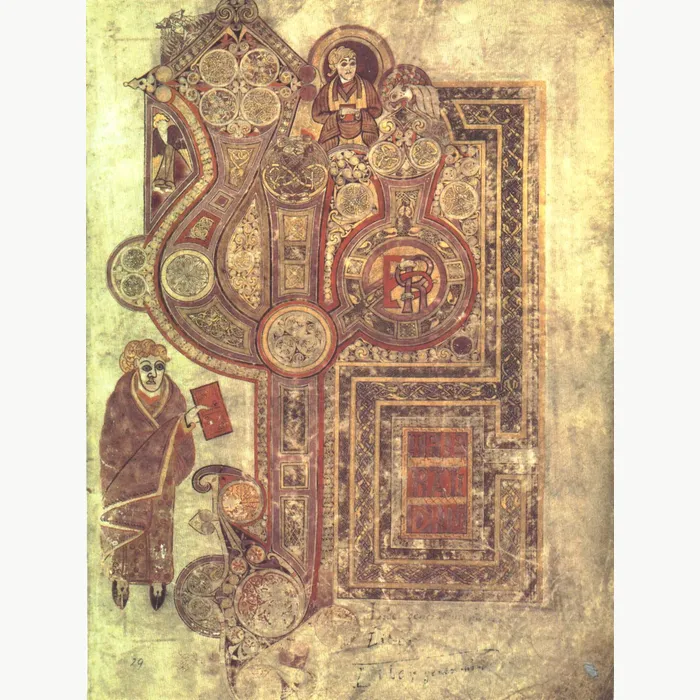
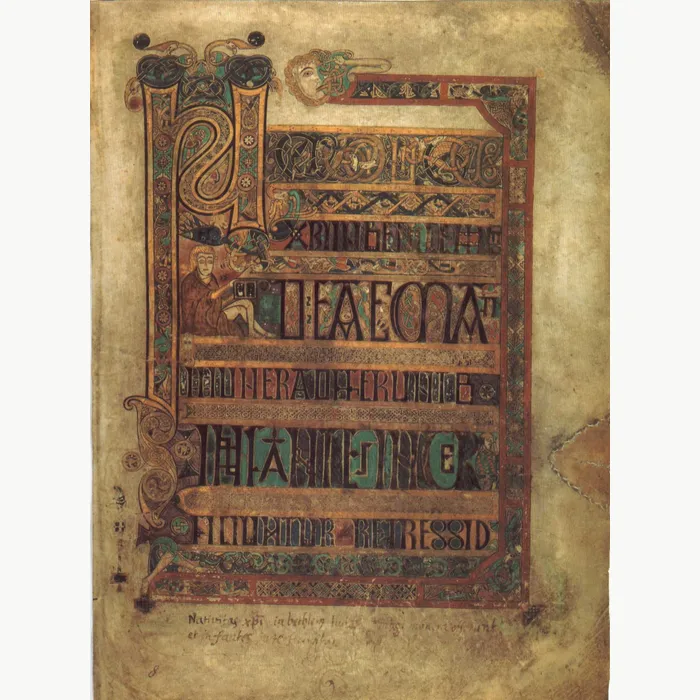
The Book of Kells, in New Orleans iron
For the Irish Network New Orleans: Book of Kells pages, as Irish ironworkers in 1850s New Orleans might have made them. The words name the real methods, forged bar and sand-cast panels, and each try uses a different one.
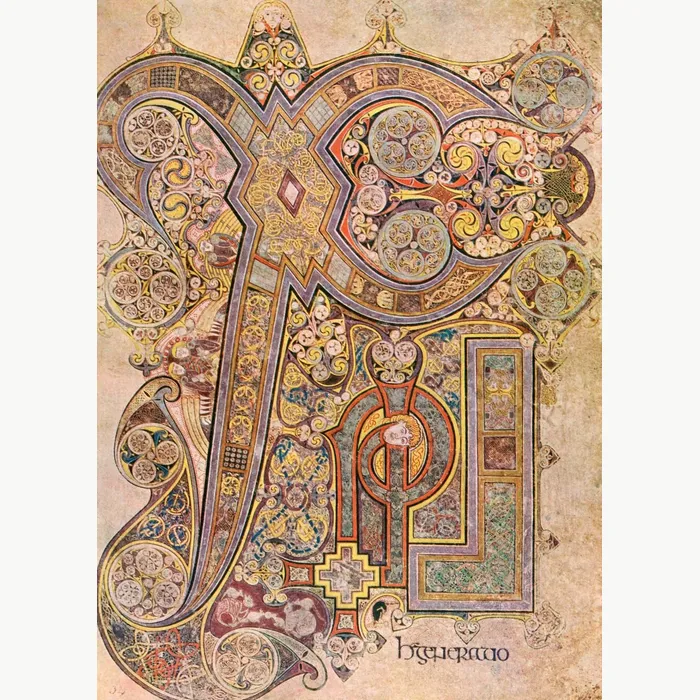
Chi Rho
The most famous page of the book.
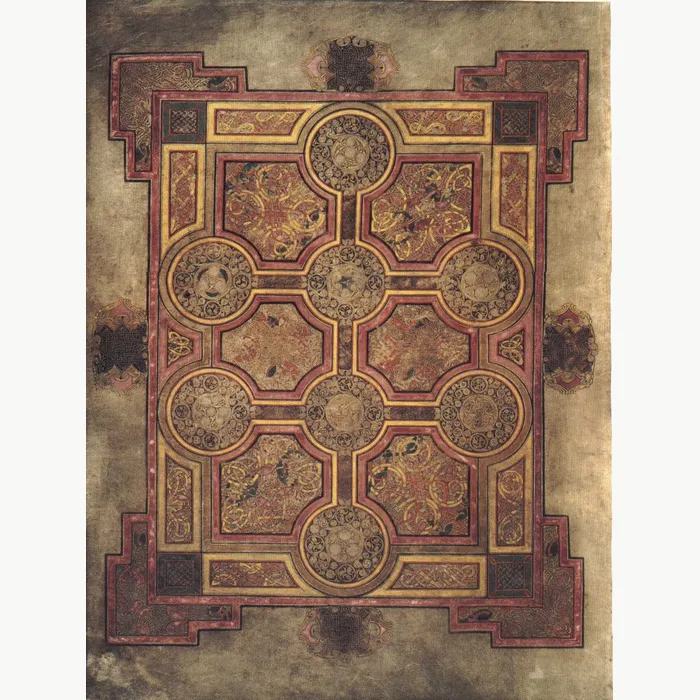
Carpet page
Circles and knotwork, as a cast panel.
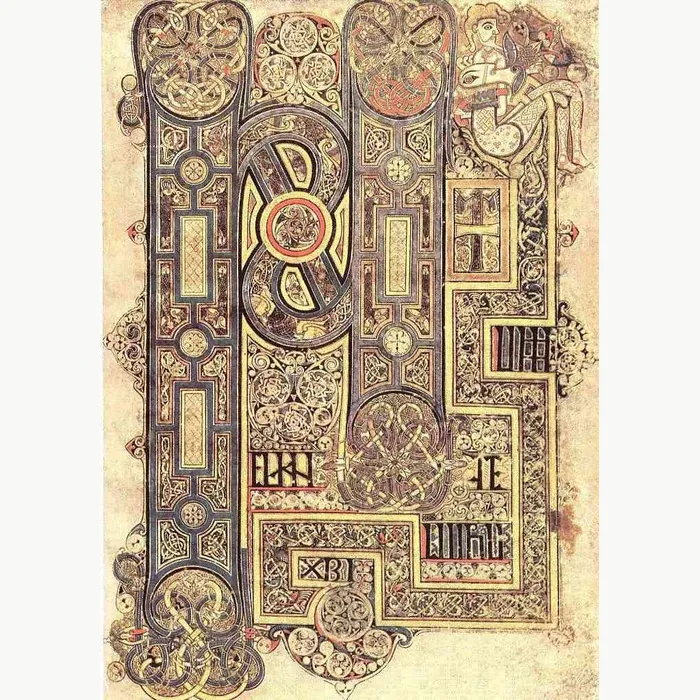
Incipit Mark
The opening of the Gospel of Mark.
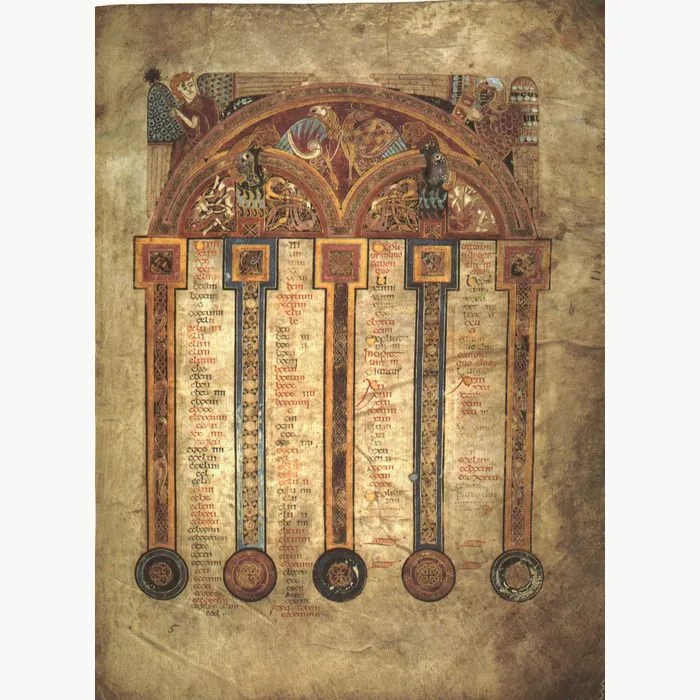
Canon table
Arches and columns, the way a gate is built.
Incipit Matthew
The opening of the Gospel of Matthew.
Breves causae
A page of lettering, as iron.
Diagrams, painted real
A plain diagram puts every part in the right place. The art shop paints it to look real without moving anything, four tries at a time. These are from the computer science classes I teach.
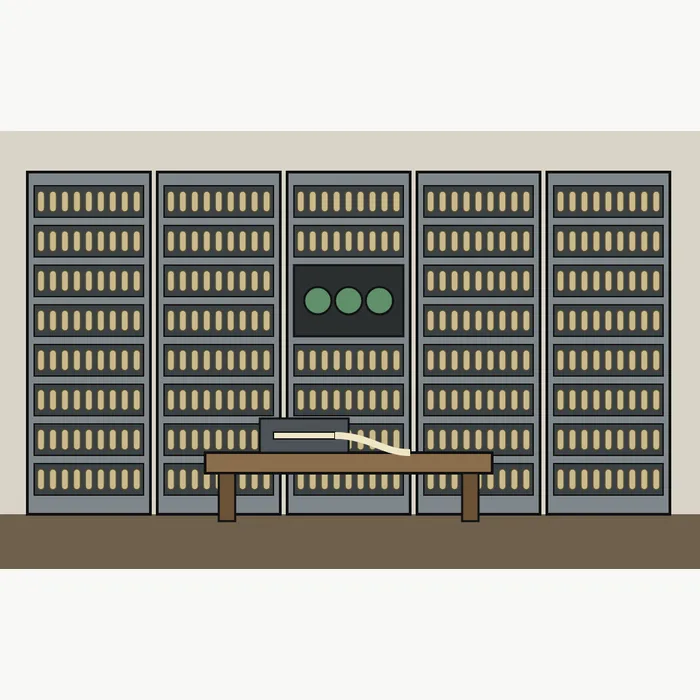
EDSAC, 1949
One of the first working computers, as a room you could walk into.
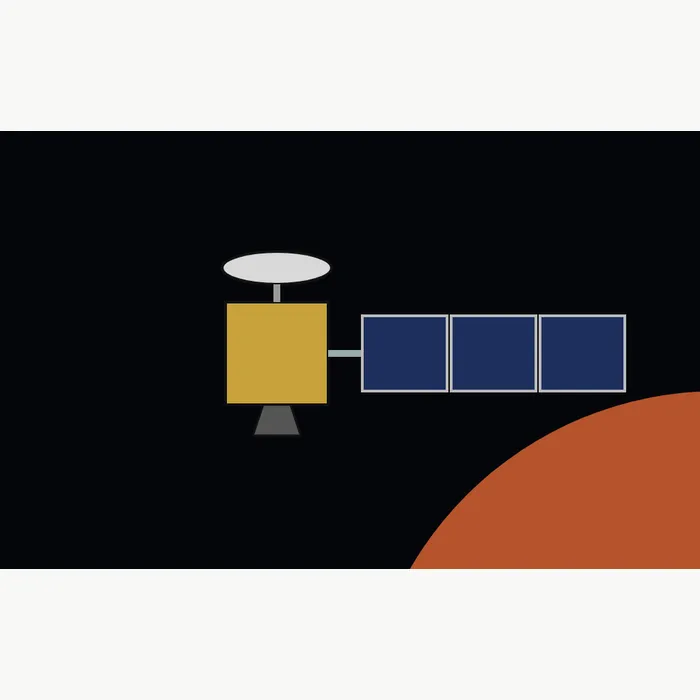
Mars Climate Orbiter
The spacecraft, over Mars.
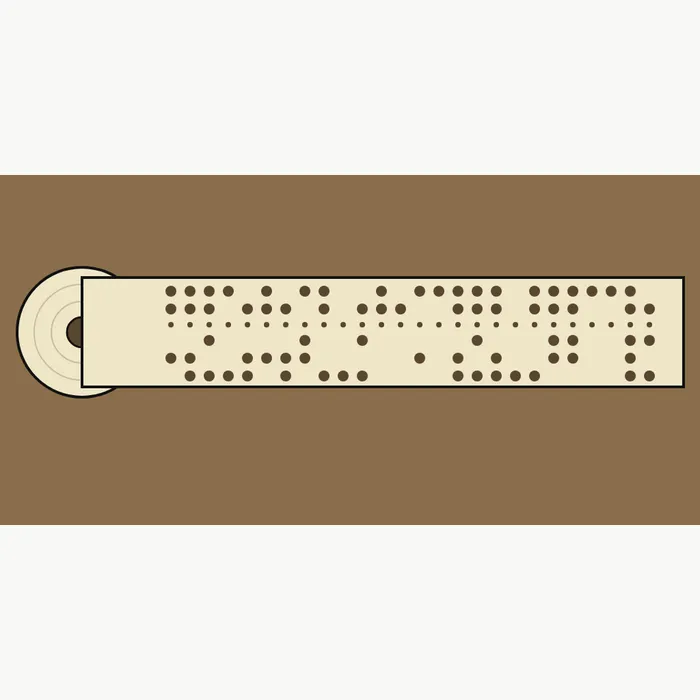
Paper tape
Each row of holes is one character.
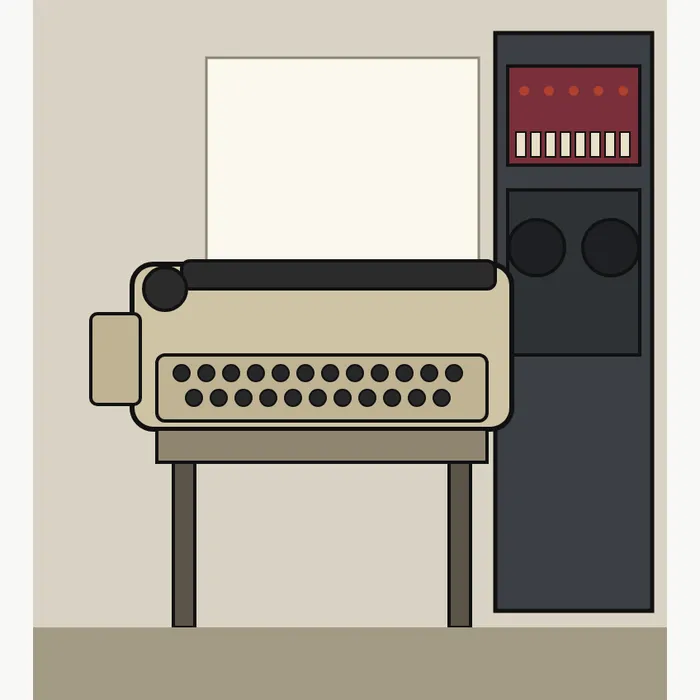
A teletype
A typewriter that sent what you typed down a wire.
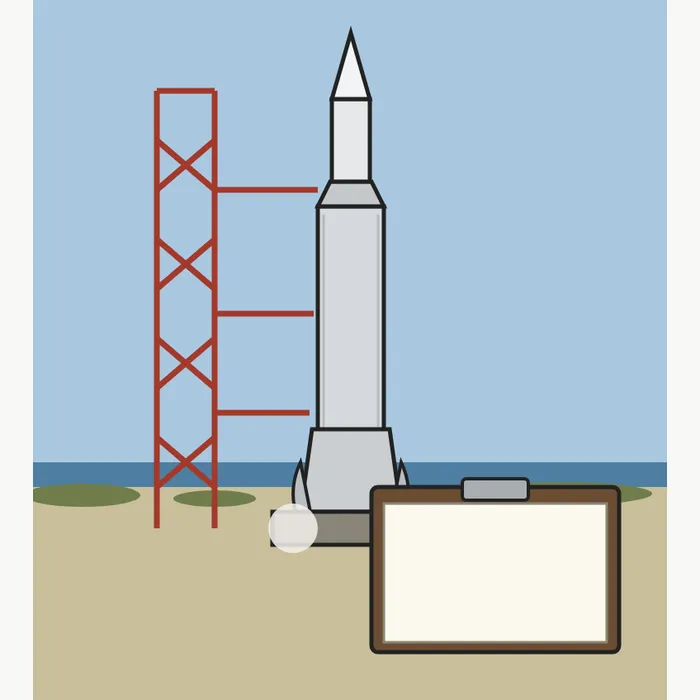
Mariner 1
The rocket on its pad, with a board for the lesson’s text.
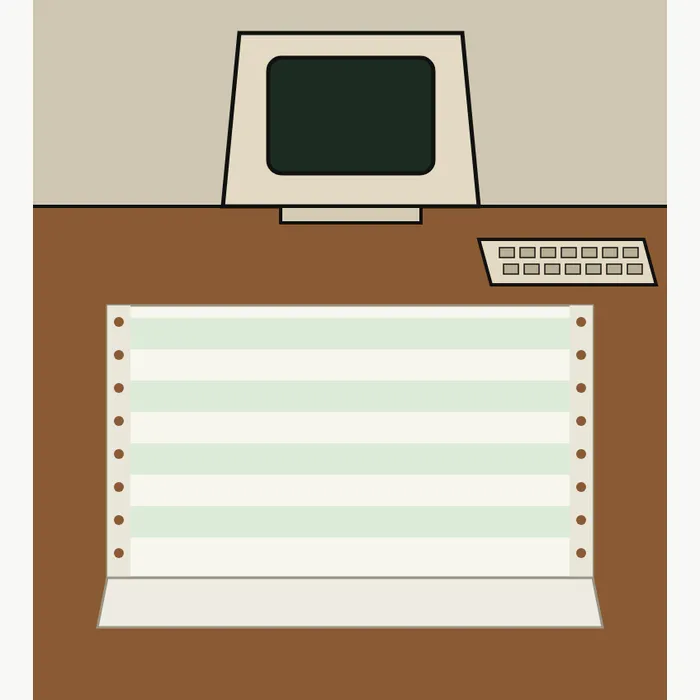
A terminal and its printout
Green-bar printer paper, the way computers used to answer.
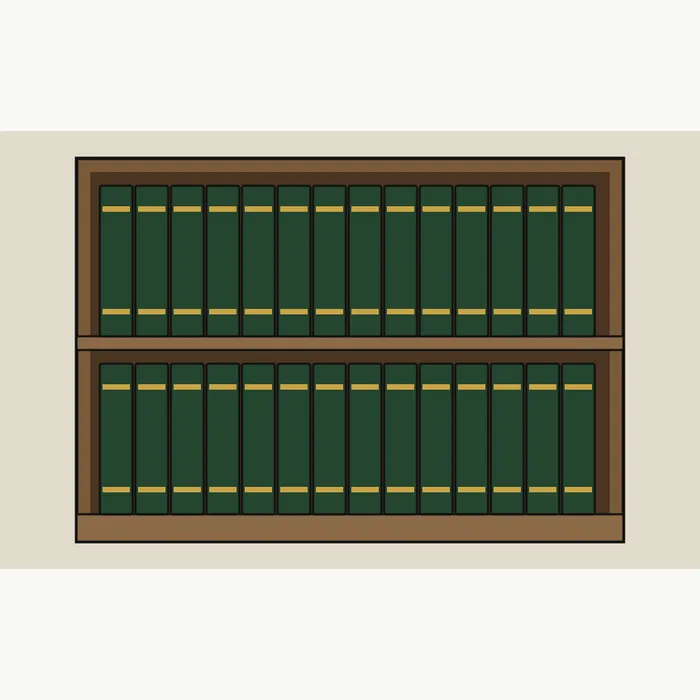
The volumes
A shelf of bound books.
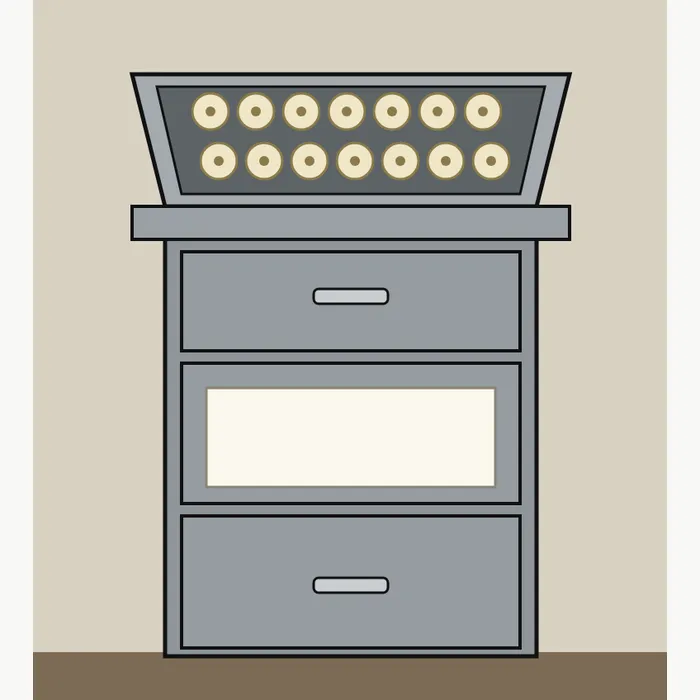
An EDSAC cabinet
One cabinet, up close.
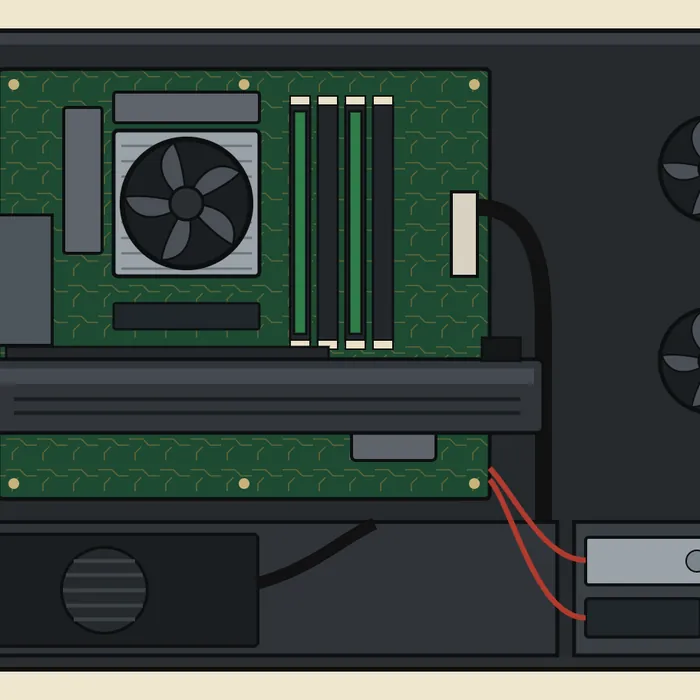
Inside a computer
Fan, memory slots and power supply, where they really sit.
Photos, as comic panels
The art shop redraws a real place in flat colors and bold outlines.
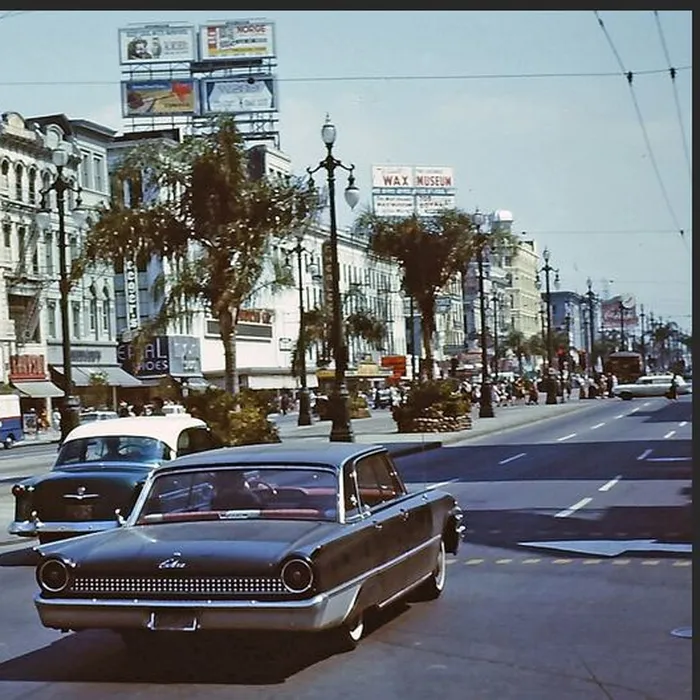
Canal Street, 1961
An old photo of Canal Street, redrawn as a comic panel.
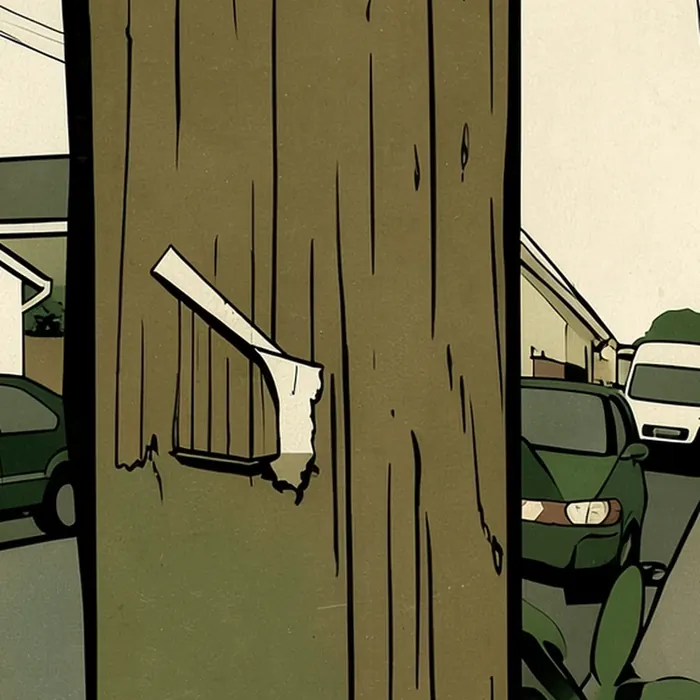
A 7th Ward telephone pole
From my photo of the pole, in flat colors and bold outlines.
Sketches, crests and badges
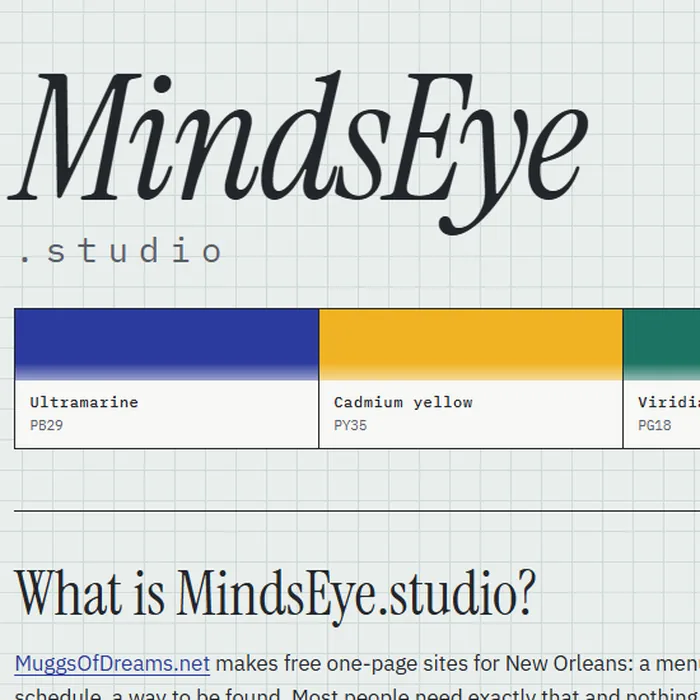
Your site, in pencil
This site, drawn on graph paper. Every build starts as a sketch like it.
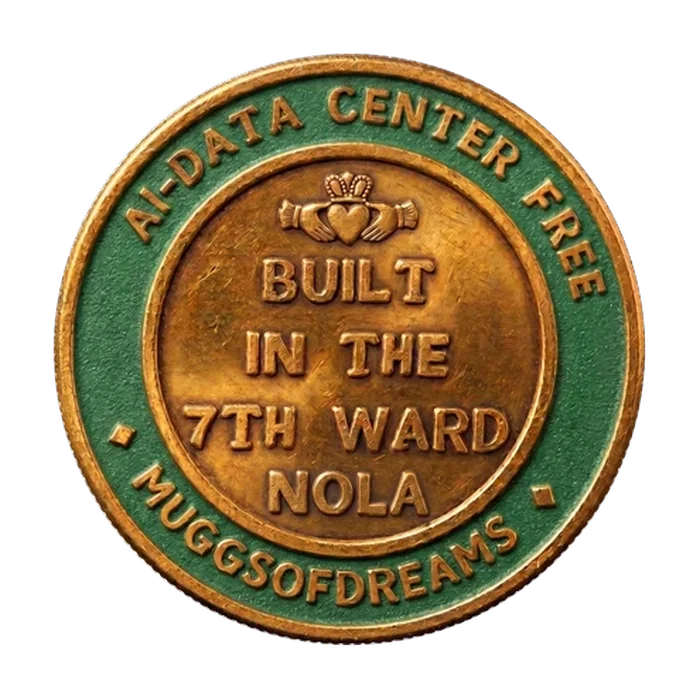
A crest
My own doubloon. Your logo, or an emblem made for you, struck the same way.
A badge
The MuggsTech badge, made to look like a computer chip.
Posters and flyers too, for the window, the bulletin board and the big night, in the same look as your site.